The Summer Solstice Explained: Why June 21 Is the Longest Day
The summer solstice is the longest day of the year in the Northern Hemisphere. Here is the simple astronomy behind it, what actually happens in the sky, and why it matters.
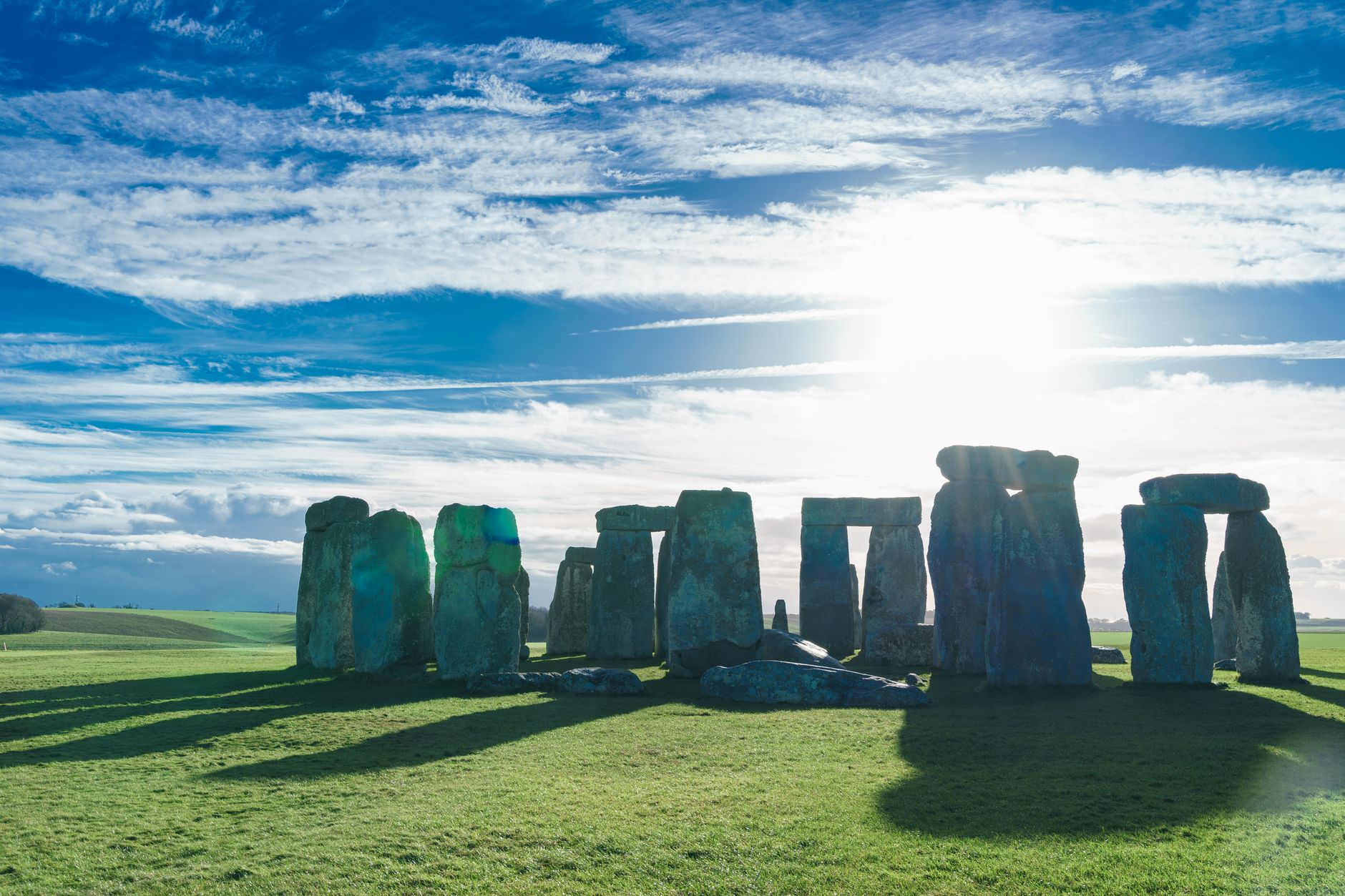
Today is the summer solstice in the Northern Hemisphere — the longest day of the year, when the sun climbs higher and stays up longer than on any other date. It is one of those events everyone has heard of and few can actually explain, usually mumbling something about the Earth being closest to the sun. That explanation is wrong, and the real one is more interesting: the solstice has nothing to do with distance and everything to do with tilt. Once you see the geometry, the whole rhythm of the seasons clicks into place.
What happened
Earth spins on an axis tilted about 23.4 degrees relative to its orbit around the sun. That tilt is fixed in direction as the planet travels its yearly path, so for half the orbit the Northern Hemisphere leans toward the sun and for the other half it leans away. The June solstice is the moment the Northern Hemisphere's tilt toward the sun reaches its maximum. On that day the sun follows its highest and longest arc across the sky, rises and sets at its most northerly points on the horizon, and delivers more hours of daylight than any other date of the year.
The word itself records the phenomenon. "Solstice" comes from Latin for "sun stands still" — a reference to how, around this date, the sun's daily high point appears to pause and reverse. For a few days its noon height barely changes before it begins, almost imperceptibly, to sink again. The exact moment of the solstice is an instant, not a whole day, and it falls on June 20 or 21 (occasionally the 22nd) depending on the year and your time zone, because our calendar and Earth's orbit do not divide evenly.
It is worth clearing up the distance myth directly. Earth is actually slightly farther from the sun in July than in January. Seasons are not about how close we are; they are about the angle the sunlight strikes us. When your hemisphere is tilted toward the sun, the light arrives more directly and concentrated, the days are long, and it is summer. Distance barely enters into it.
Why it matters
The solstice is the clearest, most visible evidence of the mechanism that governs life on Earth. The same axial tilt that produces the longest day produces the seasons themselves — the growing cycles, migrations, and weather patterns that every ecosystem and every agricultural calendar is built around. Understanding the solstice is understanding why the year has a shape at all.
It also marks a quiet turning point. The solstice is the peak of daylight, which means it is also the moment the days begin to shorten again. Summer heat will keep building for weeks because land and oceans lag behind the sunlight, but the daylight itself has already crested. There is something clarifying in that: the longest day and the start of the slow return toward darkness are the same day. The year does not pause at its high point; it pivots.
- Maximum daylight — the most hours of sunlight of any day, with long mornings and late, lingering evenings.
- The sun reaches its highest noon arc of the year, which is why shadows at midday are at their shortest.
- A reliable, predictable marker that has anchored human calendars and farming cycles for millennia.
- From here the days only get shorter, so the solstice is the peak and the turn at once.
- The shortest nights of the year make for poor stargazing, with little true darkness at high latitudes.
- Peak daylight is not peak heat — the hottest weeks still lag weeks behind, which trips up a lot of intuitions.
How to think about it
The cleanest mental model is a tilted top circling a lamp. The top's axis always points the same way as it orbits, so the lamp lights it from a different angle at each point in the loop. When your side of the top is leaned toward the lamp, the light hits straight-on and lingers — that is summer and the solstice is its extreme. When your side leans away, the light is shallow and brief — that is winter. Hold that picture and you no longer need to memorize the seasons; you can derive them.
If you want to actually notice the solstice rather than just read about it, watch where the sun sets over the next few weeks. Today it sets at its most northwesterly point of the year. Mark it against a fixed landmark, check again in a month, and you will see it has visibly slid back south — the tilt unwinding in real time. It is one of the few cosmic-scale events you can verify with your own eyes from a backyard.
FAQ
Is the summer solstice always on June 21?+
Does the longest day mean Earth is closest to the sun?+
Why is the hottest weather usually weeks after the solstice, not on it?+
- news·5 min readSolstice Traditions Around the World: How Humans Mark the Longest Day
Long before anyone could explain the astronomy, people built monuments and festivals around the summer solstice. Here is how cultures across the world still mark the longest day.
- news·5 min readMega-Constellations and Reflective Satellites Threaten Astronomical Observation and Night Sky Visibility
ESO research reveals that over 1.7 million proposed satellites, including bright reflective ones, could devastate astronomy by brightening the night sky. This poses a significant threat to observing…
- news·4 min readNew Study: Limit Earth Orbit to 100,000 Faint Satellites to Preserve Astronomical Observation
A new ESO study reveals that 1.7 million proposed satellites would devastate astronomy. It recommends limiting orbit to 100,000 faint satellites to protect night sky observations.
The week’s highest-signal tech and AI stories, synthesized into a five-minute read. One email a week, no spam, unsubscribe anytime.